• Skip to primary navigation
  • Skip to main content

John Jaeger North Babylon

Independent Environmental Researcher

  • Home
  • Research Projects
    • Soil Invertebrates
    • Shellfish Hatchery
  • Wrestling
  • Contact
  • Blog
  • Show Search
Hide Search

John Jaeger

Human Vision and Hearing: the Natural Biodiversity Receptors

John Jaeger · July 7, 2025 · Leave a Comment

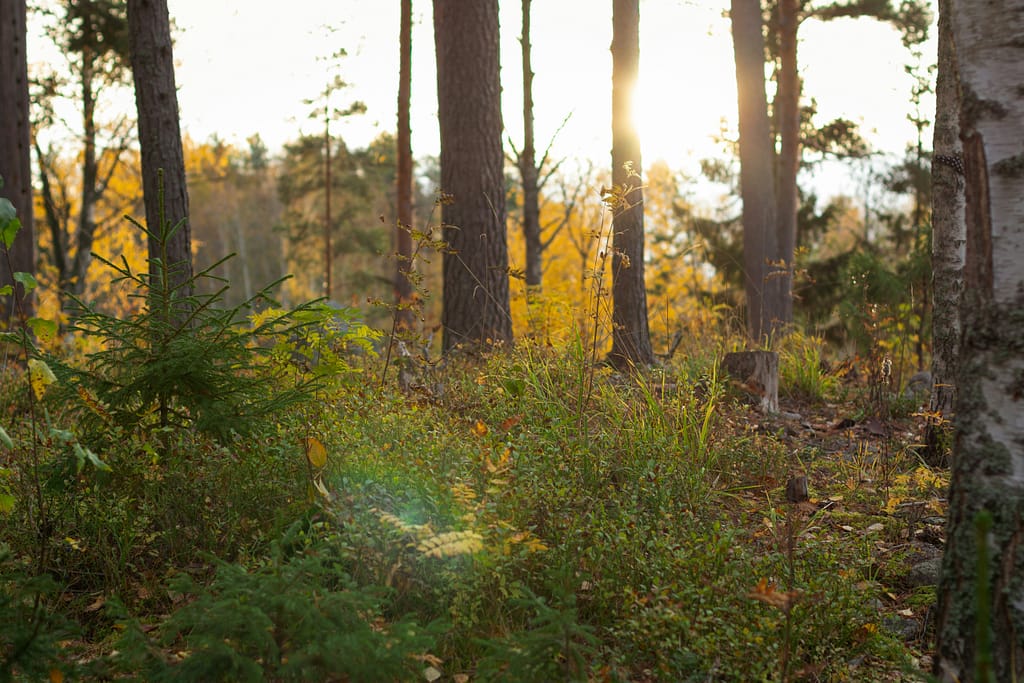
The average human can accurately assess and judge the level of biological diversity in a natural setting. Findings from the German Center for Integrative Biodiversity Research reflects on how visual and auditory cues are remarkable tools that most people maintain. John Jaeger, North Babylon Independent Environmental Researcher, discusses: 

John Jaeger North Babylon Forest Biodiversity

British Ecological Society: Perceived Biodiversity

Did you know that the greatest tools of all for assessing the biodiversity of a natural setting are common among most people?  According to recent scientific research published in the British Ecological Society journal, people’s intuitive perception of biodiversity is remarkably accurate through visual and audio cues.  Without any formal education or even reference material, the average person can assess just how biodiverse an area is — even if the technical knowledge is not something stored within their repertoire.  

iDIV, UFZ, Friedrich Schiller Research Collaboration

The information from this study has been pulled from a study conducted with the German Centre for Integrative Biodiversity Research (iDIV) in collaboration with the Helmholtz Centre for Environmental Research (UFZ) and the Friedrich Schiller University Jena.  All participants in the study lacked structured ecological training.  Each participant was presented with images and audio recordings of forest patches throughout Germany, Belgium and Poland.  They were asked both simple and complex questions about each natural habitat: including bird species richness, variety of tree species, structures and more.  The responses aligned with findings from formal researchers in biodiversity and biological conservation. 

World Congress on Environmental Research and Climate Change | Zurich, Switzerland

John Jaeger · June 3, 2025 · Leave a Comment

On June 9-10, 2025, the World Congress on Environmental Research and Climate Change will meet in Zurich, Switzerland to present a platform for academics and professionals globally. John Jaeger, North Babylon based Environmental Research Mentor features the conference:

John Jaeger North Babylon Switzerland Climate Change Conference

The World Congress on Environmental Research and Climate Change is set to host a conference in Zurich, Switzerland under the theme: “Leading the Way in Sustainability and Sustainable Development.”  The conference will present a platform for both researchers and professionals to discuss advanced topics in environmental research and climate change. 

John Jaeger North Babylon Independent Researcher anticipates the unveiling of critical and innovative research from ecologists, environmental experts and climate adaptation professionals.  Doubling as a collaborative networking opportunity, the event will also welcome leaders from major industries in relevant categories, such as oil and gas, construction, real estate, renewable energy, waste management and recycling, who will all reflect on current sustainability initiatives.  Jaeger looks forward to hearing about advanced innovation in green technology, as well as efforts being made to reduce carbon footprints by businesses of all sizes around the world. 

Anticipated Key Takeaways & Focus Topics

John Jaeger looks forward to exploring a broad range of focus areas at the Environmental Research & Climate Change Conference in Zurich, Switzerland.  Key areas of focus include:

  • E-Waste Recycling and Management
  • Green Chemistry & Green Revolution
  • Renewable Energy, Sustainable Energy & Economic Impact
  • Theoretical and Computation methods for Sustainability in Environment

Bee Positive: the Crucial Role of Pollinators in the Environment

John Jaeger · May 2, 2025 · Leave a Comment

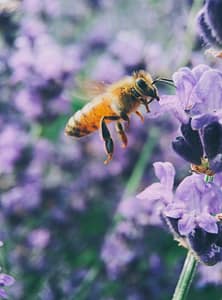
Bees play a crucial role in the environment. As pollinators, these winged insects ensure a balance within our ecosystem by promoting reproduction of food crops and other plants. John Jaeger, North Babylon Independent Researcher, shares some of the many benefits of bees:

John Jaeger North Babylon Bee Pollination

Pollination = Food Security

Bees are the best pollinators we know!  Seriously: bee-powered pollination contributes to roughly 35% of global crop production, according to the Food and Agriculture Organization.  Their impact as pollinators is felt not only by humans, but by wildlife as well.  Bees not only pollinate crops, but also wild plants, which many wildlife rely on for sustenance and survival.

Bees Prevent Soil Erosion

Bees are essential to people, wildlife and the planet.  By pollinating plants, bees contribute to carbon sequestration.  This means plants are able to grow stronger by soaking up all of the carbon dioxide that bees are able to disperse.  This in turn helps to prevent soil erosion through the support of plant root systems as the roots bind to the soil. 

John Jaeger originally launched a recreational study into the impact of bees on the environment after working as a Research Mentor on a Soil Invertebrates Research Project facilitated by DNA Barcoding 101: a STEM outreach program. 

Bee Positive

When you see a bee: remember to be positive!  These magnificent little winged insects supply our environment with the lifeblood necessary to balance our ecosystem.  John Jaeger, North Babylon Independent Researcher, has studied the impact of bees on the environment, in a recreational setting.  He hopes to continue this research project on a broader scale in the future.

  • « Go to Previous Page
  • Page 1
  • Page 2
  • Page 3

Reach out to John Contact Me

John Jaeger North Babylon

Copyright © 2026 · Monochrome Pro on Genesis Framework · WordPress · Log in

  • Home
  • Research Projects
  • Wrestling
  • Contact
  • Blog