- The Heat Is On — and Insects Are Running Out of Room
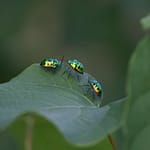 Here’s something that should probably be getting more attention. A study published March 5, 2026 looked at roughly 2,300 insect species across Peru and Kenya — lowland savannas, hot rainforests, cool mountain forests — and delivered findings that are, frankly, hard to sit with. Many tropical insects aren’t just struggling with rising temperatures. They’re already… Read more: The Heat Is On — and Insects Are Running Out of Room
 - Beavers Are Quietly Fighting Climate Change — One Dam at a Time
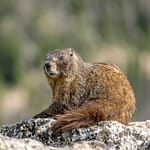 Nobody asked the beaver to become a climate hero. And yet, here we are. A study published March 18, 2026 in Communications Earth & Environment — led by researchers at the University of Birmingham — is the first of its kind to calculate a complete carbon budget for a beaver-engineered wetland, and the numbers are… Read more: Beavers Are Quietly Fighting Climate Change — One Dam at a Time
 - Microplastics Are Falling from the Sky, and Into Our Forests
 For years, the microplastics conversation centered on oceans. Rightly so. But a study published March 23, 2026 by geoscientists at TU Darmstadt is shifting that focus somewhere less expected: forests. The research confirms that microplastics are accumulating in woodland ecosystems at significant scale — and the primary delivery system isn’t agricultural runoff or industrial waste.… Read more: Microplastics Are Falling from the Sky, and Into Our Forests
 - Why the 4th Global Soil Biodiversity Conference MattersThis week, some of the world’s most dedicated soil researchers are gathered in Victoria, British Columbia, for the 4th Global Soil Biodiversity Conference, running April 12–15, 2026. Organized by the Global Soil Biodiversity Initiative (GSBI) and backed by the Biological Survey of Canada, GSB2026 is the premier international event in this field. It pulls together… Read more: Why the 4th Global Soil Biodiversity Conference Matters
- Mapping Alaska’s Aquaculture Future: NOAA’s New AtlasAlaska has more coastline than every other state put together. Earlier this year, NOAA decided it was time to take a serious look at what sustainable seafood expansion could realistically look like along that coastline. What the Atlas Actually Is Published on February 19, 2026, NOAA’s Atlas for Aquaculture Opportunity Areas identifies 77 areas in… Read more: Mapping Alaska’s Aquaculture Future: NOAA’s New Atlas