• Skip to primary navigation
  • Skip to main content

John Jaeger North Babylon

Independent Environmental Researcher

  • Home
  • Research Projects
    • Soil Invertebrates
    • Shellfish Hatchery
  • Wrestling
  • Contact
  • Blog
  • Show Search
Hide Search

Independent Research

Microplastics Are Falling from the Sky, and Into Our Forests

John Jaeger · May 1, 2026 · Leave a Comment

john jaeger north babylon Microplastics in Forest Soils

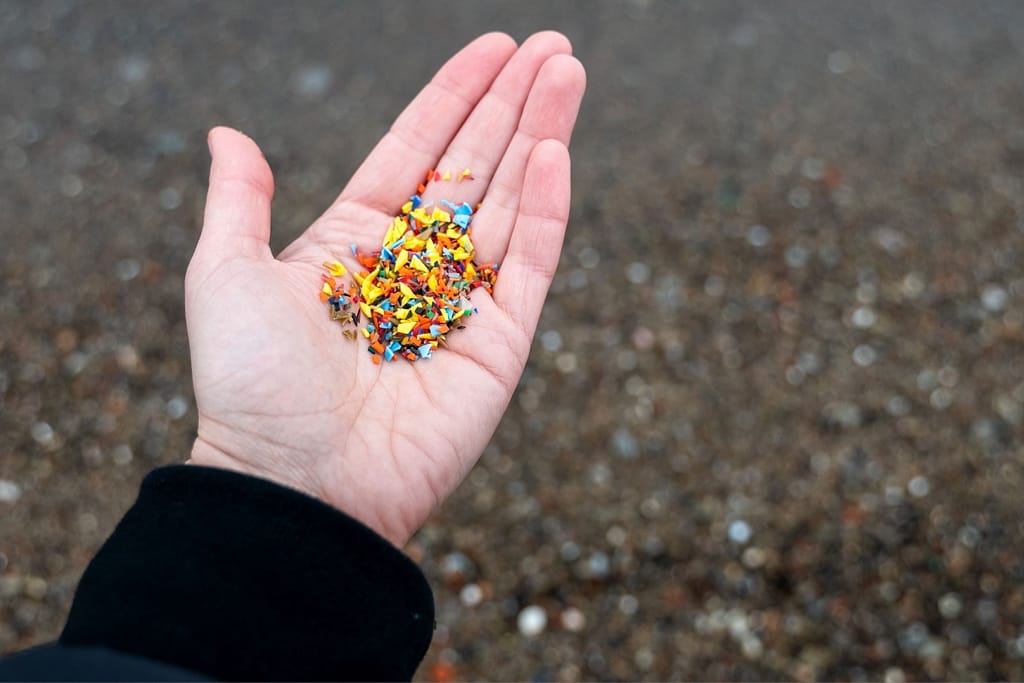
For years, the microplastics conversation centered on oceans. Rightly so. But a study published March 23, 2026 by geoscientists at TU Darmstadt is shifting that focus somewhere less expected: forests. The research confirms that microplastics are accumulating in woodland ecosystems at significant scale — and the primary delivery system isn’t agricultural runoff or industrial waste. It’s the air. Tiny plastic particles drift through the atmosphere, land on treetops, then work their way to the forest floor through rain and falling leaves. Forests have always been understood as living, breathing systems. This research reveals they’re becoming something else too — silent depositories for one of the most stubborn pollutants on the planet.

How Microplastics Get Into Forests

The particles in question are under 5mm in size, originating from everyday sources: tire wear, laundry lint, degrading packaging. Wind picks them up and carries them remarkable distances — across cities, across borders, into woodlands far removed from any obvious pollution source.

Once airborne particles reach a forest, tree canopies do something researchers call the “comb-out effect.” Leaves snag the particles as air moves through the canopy. Rain then rinses them downward. Autumn leaf fall carries them further still. On the forest floor, decomposition takes over — burying microplastics progressively deeper into soil layers over time. The highest concentrations show up in partially decomposed upper leaf litter, but substantial amounts push deeper through organic breakdown and the burrowing, feeding activity of soil organisms. This is the first study to directly establish that link between atmospheric input and forest soil storage. The pathway had been theorized. Now it’s documented.

What This Means for Forest Soil Health

The implications ripple outward fast. Forests supply freshwater to over half the world’s major cities and food for more than a billion people. Contamination at the soil level isn’t a contained problem — it moves through water systems, food chains, and the organisms that keep soil functional in the first place.

Underground fungal networks that allow trees to communicate and share nutrients are weakened by microplastic accumulation. Carbon storage slows as organic matter degrades less efficiently. Urban forests bear the heaviest loads — up to 1,500 particles deposited per day — but remote forests aren’t spared either, averaging over 100 particles daily from wind currents alone. Lead researcher Dr. Collin J. Weber put it plainly: forests are already under pressure from climate change, and these findings point to microplastics as an additional, compounding threat layered on top of everything else.

Why Independent Soil Researchers Like John Jaeger Are Paying Attention

Soil invertebrate communities sit at the center of John Jaeger’s independent research — and those communities depend directly on the organic matter layers where microplastics are now accumulating most heavily. The leaf litter and decomposition processes being disrupted here aren’t peripheral to soil ecosystems. They’re foundational. They’re where the food web begins.

DNA barcoding methods, a core part of John’s research toolkit, are increasingly being applied to detect exactly how contaminant-driven shifts affect invertebrate diversity at the community level. That kind of granular, localized monitoring matters enormously. Broad studies like the TU Darmstadt research establish the systemic picture. But understanding what that means for a specific Pine Barrens ecosystem, a particular forest patch, a distinct invertebrate community — that’s where ground-level independent research does work that large-scale studies simply can’t.

The Bigger Picture

Microplastic pollution has outgrown its original narrative. This isn’t just a coastal story or an ocean story anymore. It has reached the canopy, the leaf litter, the deep soil layers that anchor entire ecosystems. The TU Darmstadt findings make clear that high microplastic concentrations in forest soils reflect high atmospheric input — diffuse, systemic, and not attributable to any single local source. That makes it harder to regulate and harder to reverse.

John Jaeger’s approach to environmental research has always centered on understanding the full range of pressures bearing down on an ecosystem at once. Invasive species. Habitat disruption. And now, invisible particles drifting in from the sky. We’ve spent decades tracking what goes into rivers and oceans. This research is a stark reminder that the atmosphere has become a delivery system too — and forests are absorbing the consequences, quietly, one leaf at a time.

Mapping Alaska’s Aquaculture Future: NOAA’s New Atlas

John Jaeger · March 2, 2026 · Leave a Comment

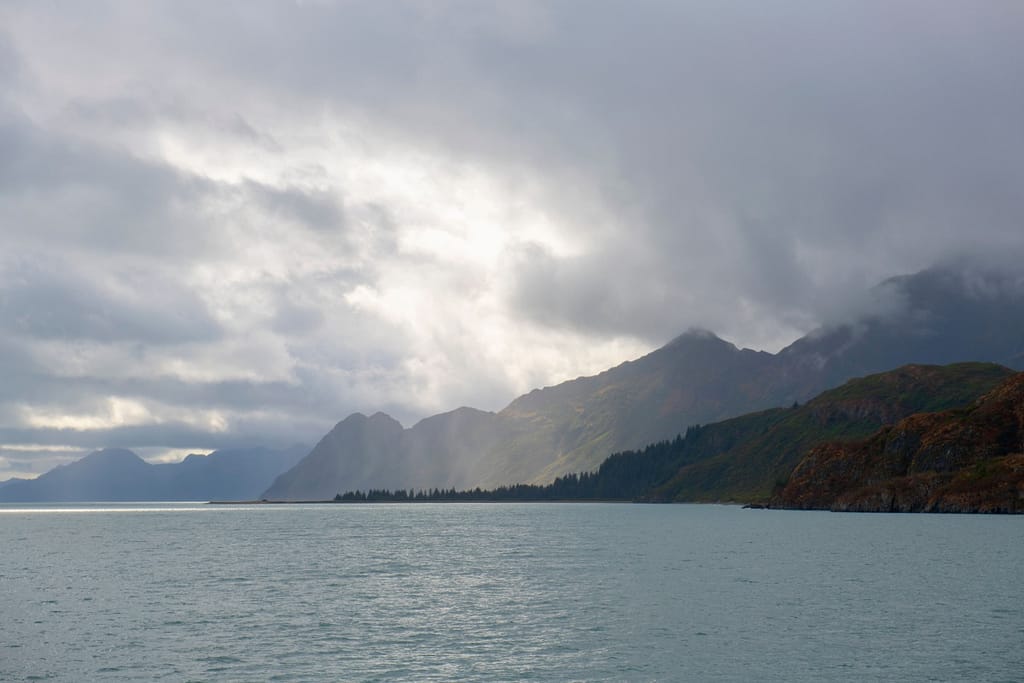
Alaska has more coastline than every other state put together. Earlier this year, NOAA decided it was time to take a serious look at what sustainable seafood expansion could realistically look like along that coastline.

john jaeger north babylon NOAA's Alaska Aquaculture Opportunity Atlas

What the Atlas Actually Is

Published on February 19, 2026, NOAA’s Atlas for Aquaculture Opportunity Areas identifies 77 areas in the Gulf of Alaska that may be suitable for shellfish and seaweed farming. Sites range from 50 to 2,000 acres and were developed in partnership with the state of Alaska, then vetted by hundreds of local, state, and organizational stakeholders through a rigorous peer-review process. This marks the first time NOAA’s Aquaculture Opportunity Area process has ever been applied to state waters.

Why Shellfish and Seaweed Matter

The atlas covers shellfish and seaweed only, no finfish. That distinction is ecologically significant and worth paying attention to. Unlike finfish operations, shellfish and seaweed farming tend to be lower-impact by default, and in many instances, actively beneficial. 

Shellfish filter surrounding water, improving clarity and reducing excess nutrients. Seaweed absorbs carbon. When sites thoughtfully, they can genuinely support healthier marine environments. 

Protecting What’s Already There

The atlas was designed with a clear priority to not disrupt what’s already working. Commercial, recreational, and subsistence wild-harvest fisheries are protected under the framework, and site selection deliberately leverages existing infrastructure like docks and processing facilities to avoid unnecessary environmental disruption. 

The broader economic motivation is real. Americans consume roughly $15 billion in imported seafood annually, but the approach here treats expansion and protection as compatible goals rather than competing ones.

A Researcher’s Perspective

This is the kind of methodical, ecosystem-first thinking that environmental researcher John Jaeger recognizes immediately. His work studying invertebrate biodiversity and invasive species impacts operates on the same foundational principle: assess carefully, engage stakeholders, and let the data lead. Skipping those steps risks creating damage that compounds over time.

John Jaeger’s approach to environmental research reflects the understanding that identifying a possibility is not the same as granting permission to act on it.

The atlas opens doors, rather than walking through them. In environmental work, that careful pause between possibility and action is often where the most important thinking happens.

The Environmental Footprint of AI: New Research Raises Concerns

John Jaeger · December 2, 2025 · Leave a Comment

Artificial intelligence is expanding at a historic pace, but new research shows the environmental cost is rising just as quickly. A recent analysis from Cornell University warns that AI-driven data centres could strain energy grids, drain freshwater supplies, and significantly increase carbon emissions.

john jaeger north babylon The Environmental Footprint of AI_ New Research Raises Concerns

Rising Energy Consumption

AI data centres run powerful servers that operate around the clock. According to the study, U.S. facilities could emit 24 to 44 million metric tons of CO₂ per year by 2030—a footprint comparable to adding several million cars to the road. For John Jaeger, an independent environmental researcher, this signals a growing need to examine the technological systems that shape modern life.

These emissions come not only from server activity but also from the electricity required to cool vast amounts of hardware. Regions powered by fossil fuels face the highest environmental impact.

Growing Pressure on Water Resources

The analysis also highlights water use as a major concern. Cooling systems may require hundreds of millions of cubic meters of freshwater each year, placing pressure on areas already dealing with drought or limited water availability.

As Jaeger notes, this is a reminder that environmental research must look beyond traditional sectors. “Technology may be virtual,” he says, “but its environmental footprint is very real.”

How Researchers Suggest Reducing Impact

The Cornell team offers several pathways forward:

  • Build data centres in regions with strong renewable energy supplies
  • Improve cooling efficiency to reduce freshwater demand
  • Increase transparency around siting, power sources, and resource use
  • Prioritize operational efficiency to limit energy waste

Their roadmap shows that emissions could drop by more than 70 percent if the sector adopts sustainable practices during expansion.

Looking Ahead

For environmental researchers like John Jaeger, the findings highlight a critical intersection of climate research and digital infrastructure. AI promises breakthroughs across fields, but its physical footprint must be addressed to avoid undermining sustainability goals.

As AI continues to grow, understanding and managing these impacts will be essential—not just for researchers, but for policymakers, industry leaders, and communities nationwide.

Mediterranean Wildfire: A Climate-Driven Crisis

John Jaeger · September 1, 2025 · Leave a Comment

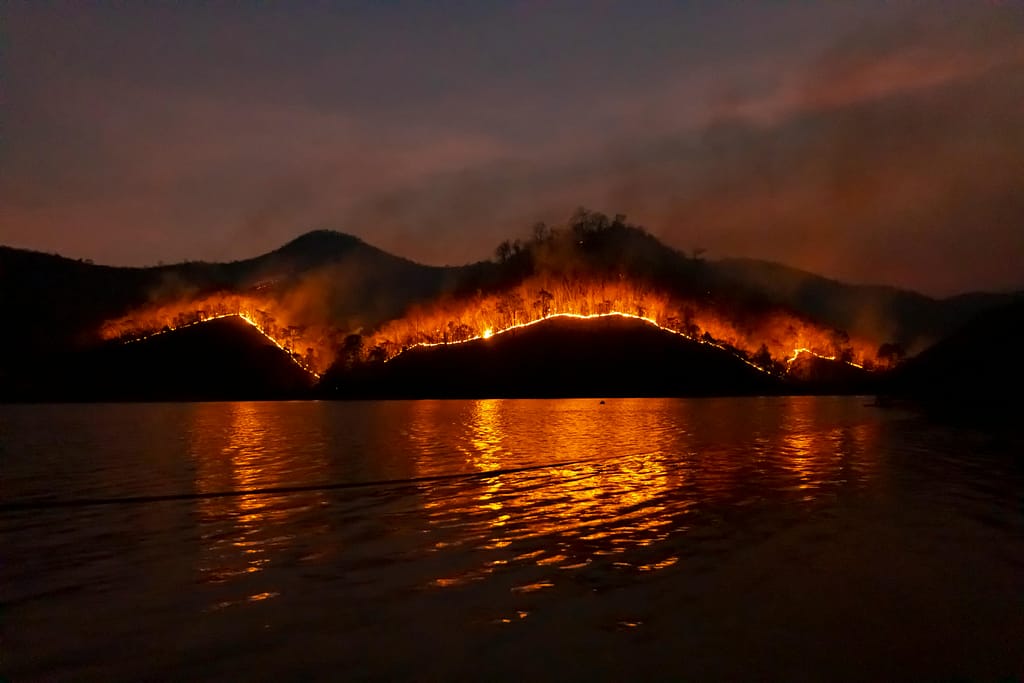
This summer, devastating wildfires swept through Turkey, Greece, and Cyprus, leaving behind unprecedented destruction. A new study from World Weather Attribution concludes that these fires burned 22 percent more intensely than they would have without human-driven climate change. The findings mark Europe’s worst wildfire season on record, with 20 lives lost, 80,000 people displaced, and over one million hectares of land scorched.

Read more from AP News

john jaeger north babylon Mediterranean Wildfires A Climate-Driven Crisis

Why These Fires Were So Severe

Researchers identified several overlapping factors that made the 2025 season especially destructive:

  • Rising heat: Summer temperatures soared past 40 °C, creating tinderbox conditions.
  • Reduced rainfall: Winters are now 14 percent drier than before industrialization, leaving soils and forests parched.
  • Hot, dry spells: These extreme weather patterns are now 13 times more likely due to warming trends.
  • Winds: The powerful Etesian winds, once a predictable summer feature, now drive fires faster and further.

For John Jaeger, an Independent Environmental Researcher, these factors highlight how small shifts in seasonal cycles can escalate into environmental disasters on a global scale.

The Climate Connection

The study points to a new normal: the influence of climate change has already altered wildfire behavior. Fires are no longer episodic events but systemic crises tied to a warming planet. Even at the current global average of 1.3 °C warming, landscapes across the Mediterranean are reaching critical thresholds. Without drastic cuts to fossil fuel use, projections warn of 3 °C warming by the end of this century—a future where today’s record-setting fires could become routine.

Why This Matters for Environmental Research

For John Jaeger and others focused on environmental systems, the Mediterranean wildfires underscore an urgent challenge: adaptation alongside mitigation. Firefighting resources, urban planning, and ecological management must all adjust to meet a climate reality that exceeds the bounds of historical precedent.

Just as Jaeger has written about hidden Antarctic canyons or the crucial role of pollinators, the wildfire crisis is another reminder of how interconnected Earth systems are. Heat, water, wind, and human activity now converge to shape outcomes that affect biodiversity, communities, and global stability.

What’s Next?

The 2025 wildfires in Turkey, Greece, and Cyprus were not isolated tragedies—they were part of a pattern. Each season brings new evidence that climate-driven extremes are reshaping our planet’s systems faster than expected.

For researchers, policymakers, and communities alike, the task ahead is clear:

  • Integrate climate attribution into risk planning
  • Prioritize emissions reductions globally
  • Strengthen resilience at regional and local levels

The Mediterranean, long known for its cultural richness and ecological diversity, now stands at the forefront of climate’s most pressing challenges.

Hidden Canyons Found Beneath Antarctica

John Jaeger · August 5, 2025 · Leave a Comment

What it Means for Climate Change

A groundbreaking seafloor mapping project has revealed 332 submarine canyon networks beneath Antarctica, some deeper than the Grand Canyon. These vast underwater systems play a crucial role in shaping ice-shelf stability, regulating ocean circulation, and influencing global sea-level rise.

As an Independent Environmental Researcher, I see this discovery not just as a global breakthrough, but as a reminder of how much remains to be understood about the systems beneath our feet, and below the waves.

john jaeger environmental research Hidden Canyons Found Beneath Antarctica

The Discovery: Over 300 Canyons Beneath the Ice

Researchers used high-resolution IBCSO v2 bathymetric data and advanced detection tools to map previously hidden seafloor features. In total, they identified over 3,291 stream segments across 332 canyon networks, far surpassing earlier estimates.

In East Antarctica, the canyons are complex and branching, shaped into wide U-shaped forms. In West Antarctica, the canyons are steeper, shorter, and V-shaped, indicating a different geologic and glacial history. Some canyons plunge more than 4,000 meters into the seafloor.

These features are not static. They actively channel sediment, nutrients, and water, forming critical conduits between the open ocean and the base of ice shelves.

Read more from The Guardian

Why These Canyons Matter for Climate Change Studies

Submarine canyons are key to understanding how Antarctica interacts with the global climate system. They serve as underwater highways that transport warm deep-ocean water toward ice shelves, accelerating basal melting.

These processes are essential to predicting:

  • Ice shelf thinning and glacier retreat
  • Changes in ocean circulation (especially Antarctic Bottom Water formation)
  • Global sea-level rise

The challenge is that current climate models don’t account for these canyons in much detail. With this new map, scientists now have a framework to integrate these features into their simulations, improving accuracy and long-term forecasts.

Read more from the University of Barcelona

Connections to John Jaeger’s Environmental Research

While the Antarctic feels distant, the patterns at play are surprisingly familiar.

In my work on shellfish mariculture and soil invertebrate ecosystems, I’ve seen how sediment transport, nutrient cycling, and habitat structures shape biodiversity. Coastal estuaries, like those along the South Shore, are miniature versions of these larger systems—governed by the same principles.

Just as deep-sea canyons shape ice melt and ocean flows, shallow-water channels and benthic layers influence water quality and species survival in aquaculture systems.

There’s value in understanding both. Whether mentoring STEM students or developing biodiversity assessments, this discovery reinforces the importance of looking deeper.

What’s Next?

Only about 27% of the world’s seafloor has been mapped in high resolution. As more of the ocean is charted, we’ll likely uncover more canyons, and more questions.

For researchers, educators, and policymakers alike, the task is clear:

  • Integrate canyon data into climate models
  • Support high-resolution mapping globally
  • Explore how large-scale ocean processes connect to local ecosystems

Antarctica’s canyon networks aren’t just geological marvels. They’re keys to unlocking the future of Earth’s climate.

  • Page 1
  • Page 2
  • Go to Next Page »

Reach out to John Contact Me

John Jaeger North Babylon

Copyright © 2026 · Monochrome Pro on Genesis Framework · WordPress · Log in

  • Home
  • Research Projects
  • Wrestling
  • Contact
  • Blog