• Skip to primary navigation
  • Skip to main content

John Jaeger North Babylon

Independent Environmental Researcher

  • Home
  • Research Projects
    • Soil Invertebrates
    • Shellfish Hatchery
  • Wrestling
  • Contact
  • Blog
  • Show Search
Hide Search

Archives for October 2025

COP30 in Belém: The World Turns Its Eyes to the Amazon

John Jaeger · October 29, 2025 · Leave a Comment

In November 2025, the world’s attention will turn to Belém, Brazil, as it hosts the 30th United Nations Climate Change Conference (COP30). From November 10–21, global leaders, scientists, and policymakers will meet in the heart of the Amazon to discuss climate action, deforestation, and environmental justice.
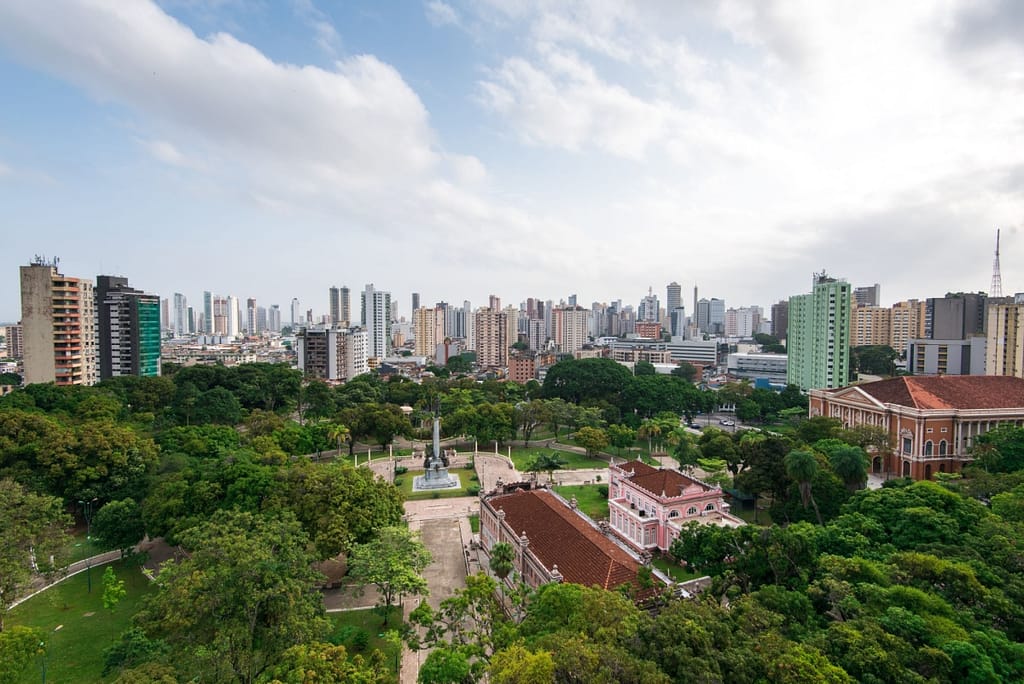
john jaeger north babylon COP30 in Belém

Why Belém Matters

Holding COP30 in Belém is both symbolic and strategic. The city sits at the gateway to the Amazon Rainforest—a region responsible for absorbing vast amounts of global carbon emissions but also one under severe threat. By hosting the summit here, Brazil aims to highlight both the urgency of protecting the rainforest and the potential for sustainable development in one of Earth’s most biodiverse ecosystems.

For John Jaeger, Environmental Researcher, the choice reflects an important shift in global climate focus—from high-level policy to the ecosystems where those policies must take effect. 

Key Themes of COP30

This year’s conference will revisit and expand on several key priorities:

Climate justice — ensuring developing nations and Indigenous communities have a voice in the climate conversation.

Deforestation and biodiversity — tackling forest loss and protecting species diversity across the Amazon Basin.

Climate finance and implementation — moving from pledges to action, closing the gap between commitments and measurable results.

Infrastructure and inclusion — addressing the logistical challenges of hosting a global summit in an Amazonian city, where sustainability must balance with accessibility.

Challenges Ahead

Hosting COP30 in Belém presents both opportunities and concerns. Infrastructure development in preparation for the summit has raised questions about environmental trade-offs, while high travel and accommodation costs may limit participation from smaller delegations. Yet, the event also offers Brazil a platform to demonstrate leadership in climate diplomacy and showcase new commitments to reforestation and sustainable land use.

For researchers like John Jaeger, COP30 is not just another conference—it’s a field test for climate collaboration. “Belém will show whether nations can turn shared data into shared responsibility,” he explains.

As the countdown begins, the Amazon stands not only as a symbol of global biodiversity but also as a measure of humanity’s willingness to act.
Atlantic Current Collapse Risk Rising

John Jaeger · October 1, 2025 · Leave a Comment

The Atlantic Meridional Overturning Circulation (AMOC), one of Earth’s most important climate systems, may be closer to collapse than once believed. New simulations suggest that even under low-emission scenarios, the likelihood of a breakdown can no longer be considered low.

Read more from The Guardian

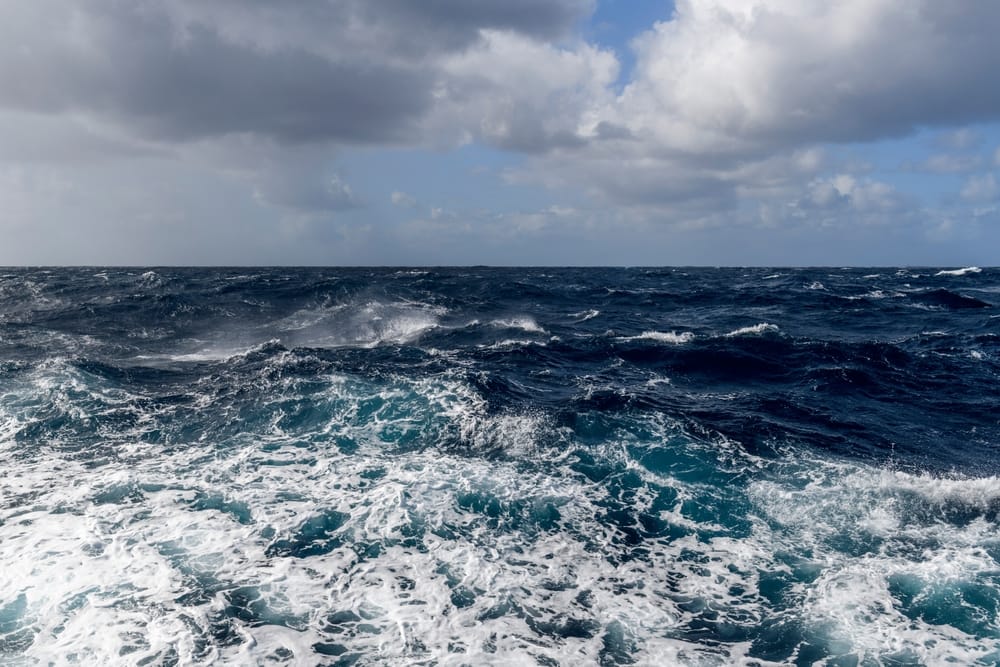
john jaeger north babylon Atlantic Current Collapse Risk Rising

What is AMOC?

The AMOC is a vast ocean conveyor belt, carrying warm surface waters northward and returning cold, dense water southward in the deep Atlantic. This circulation stabilizes Europe’s climate, drives rainfall patterns in Africa and South America, and helps regulate sea levels along the eastern U.S.

Without it, the world would face profound disruptions in weather, ecosystems, and human livelihoods.

New Findings

According to the study, simulations extending through the year 2300 show that:

  • Under high emissions, 70% of model runs led to AMOC collapse.
  • Even under intermediate emissions, 37% ended in collapse.
  • Under low emissions, once considered safe, 25% still showed collapse.

Earlier climate assessments suggested a total shutdown before 2100 was unlikely. These new findings extend the horizon but raise alarms about the long-term stability of the current.

For John Jaeger, North Babylon environmental researcher, this highlights how deeply human activity has pushed natural systems toward thresholds that once seemed far away.

Why This Matters

A collapse of AMOC would reshape climate across continents:

  • Europe could face colder winters despite global warming.
  • Monsoon systems in West Africa and South Asia could weaken.
  • Sea level rise along the U.S. East Coast would accelerate.

Even without a full collapse, significant weakening—already projected by many models—would have wide-ranging consequences.

John Jaeger sees this as a call for both mitigation and adaptation. While emissions reduction remains essential, global monitoring and resilience planning are equally urgent.

Looking Ahead

AMOC’s future is uncertain, but what is clear is that we are no longer dealing with distant hypotheticals. Climate systems are shifting within human timeframes. The challenge for researchers, policymakers, and communities is to integrate these risks into planning before critical thresholds are crossed.

Reach out to John Contact Me

John Jaeger North Babylon

Copyright © 2026 · Monochrome Pro on Genesis Framework · WordPress · Log in

  • Home
  • Research Projects
  • Wrestling
  • Contact
  • Blog